For visual-novel developers
Keep your visual-novel cast consistent
A visual novel shows the same character across dozens of expressions and a handful of outfits, sometimes for hours. Any drift in the face reads instantly. Here is how to build a cast that stays on-model across every expression and scene.
Visual novels lean hard on repetition — the reader sees each character again and again, switching expressions mid-conversation and changing outfits between chapters. That makes consistency the whole job. Generative editing lets you fix a character once and generate every expression and variant from that reference, so the face stays the same person no matter how the mood changes.
One reference per character, every variant from it
Lock each character's canonical look in a clean, front-facing reference. Then produce each variant — a smile, a blush, a shocked look, an alt outfit, a scene CG — by describing the change and naming the anchors that must hold: the eyes, the hairstyle, the palette, the signature garment. Every render anchors to the master reference, so an expression sheet stays coherent instead of slowly becoming a different character.
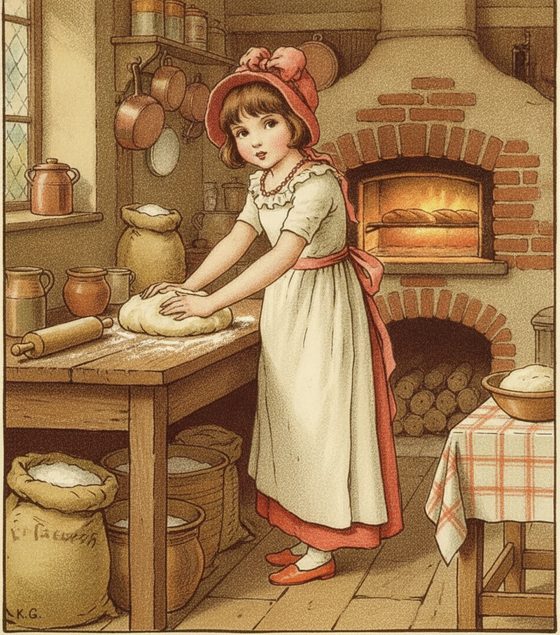
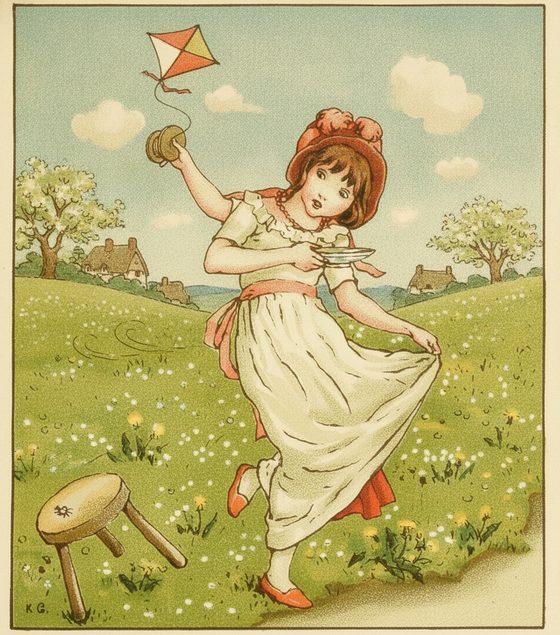
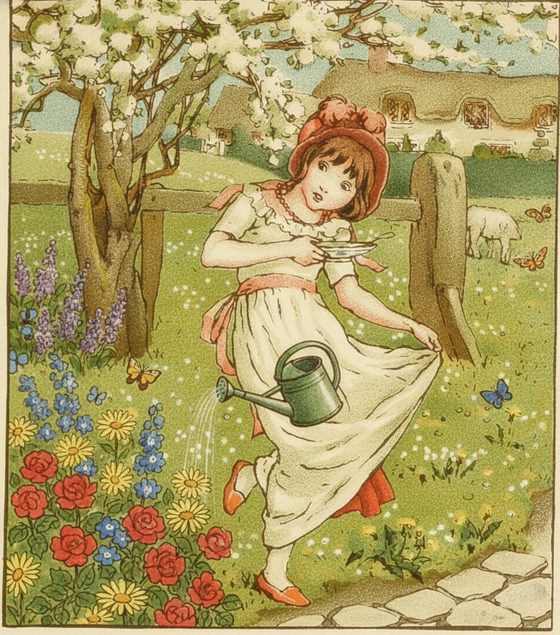
What holds across an expression sheet
- Clear front-facing expressions are the sweet spot — the face is fully visible, so the likeness holds well across a smile, a frown, a blush.
- Signature hair and accessories anchor identity strongly. Prominent, defining features carry reliably; tiny pins and fine trim can soften, so build the design around bold shapes.
- CG scene art at new angles — a character seen from behind or in dramatic light the reference never showed — can drift. Simplify or re-run ambitious CGs that go off-model.
This is the art, not the engine
You get consistent sprites, expression sheets, and scene CGs — not a packaged game. Take the art into your VN engine (Ren'Py or whatever you build in) and wire up the scenes yourself. Keep a reference per character, generate each cast member's full expression set, and review the sheet together to catch any outlier. The reference-sheet planner helps you list the expressions and outfits before you start.
Questions, answered plainly
Can I get a full expression sheet from one character?
Yes. Anchor every expression to one clear, front-facing reference and name the identity details in each prompt. Front-on expressions hold best; ambitious angles the reference never showed may need a re-run.
Does it build the visual novel itself?
No — it produces the character art: sprites, expressions, and scene CGs. Take that art into your VN engine, such as Ren'Py, and assemble the game there yourself.
Can I base a love interest on a real person?
No — keep every character an original, fictional creation you own. Do not base a character on a real person, celebrity, or anyone who has not consented. An invented cast is the correct default.
Is it free to try one character?
The workbench starts with one free watermarked preview, so you can prove a character holds across two expressions before spending. Building a full cast uses one-time 4-, 12-, or 40-scene packs — you pay only for what you generate, no subscription.
Build your cast on-model
Bring one character reference and generate the first expression. Keep the whole sheet consistent.
One free watermarked preview here — no signup. Choose a pack only after you inspect the scene.