Straight talk
What can drift when the subject must stay the same
A good new scene is still a failed result if the person or character quietly changes. Here is the evidence we have, the evidence we do not have yet, and the checks that matter before you publish.
Generative editing preserves what a reference shows clearly and invents what is hidden, tiny, or ambiguous. That rule explains most strong and weak outputs in both lanes. Clear front-facing identity, visible hair, prominent clothing, and simple distinctive features anchor well. New profiles, distant full-body shots, obscured faces, and fine detail demand more scrutiny.
Person lane golden set: 30 of 30 shippable across six invented adults
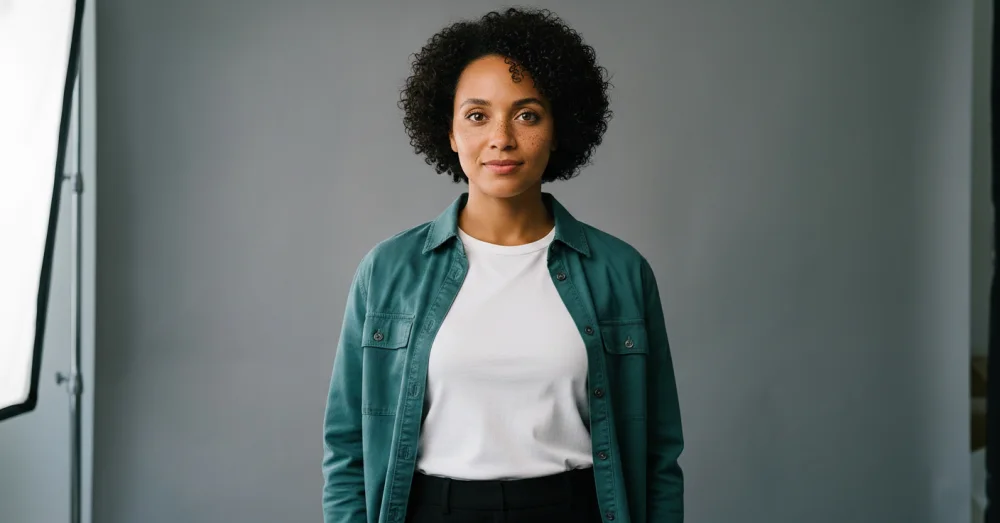
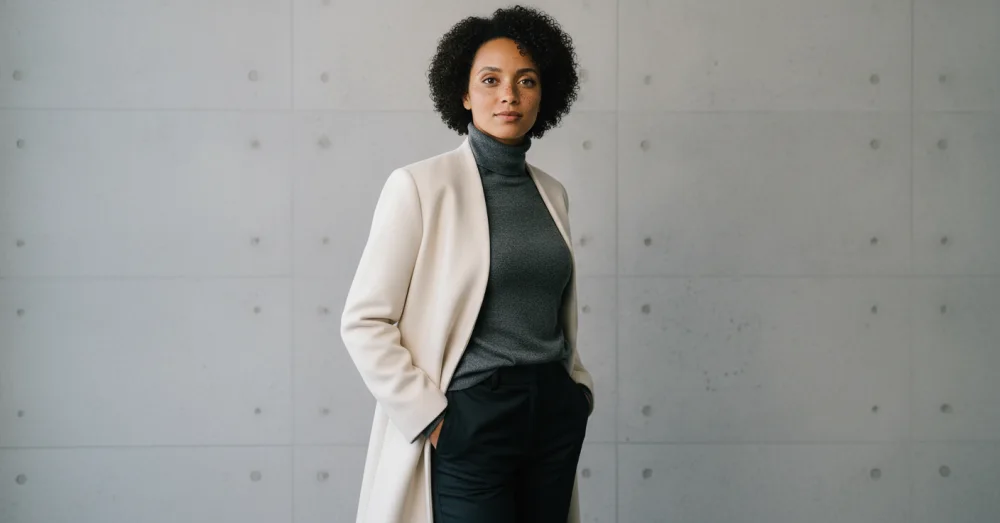
The 2026-07-13 golden set tested six fully synthetic adults across five stressors each: a new setting with outfit locked, rooftop with outfit changed, full-body distance with outfit locked, side profile with outfit changed, and hands plus an object with outfit changed. All 30 outputs were shippable, 29 of 30 were strict-usable (96.7%), and there were zero identity substitutions. Beard, glasses, and bald-head attributes held in every case, including profiles. All 12 locked-outfit cases kept the reference clothing.


What that result does not prove
- Six synthetic identities are deliberately more diverse than the discovery pass, but they still are not population validation for every real adult, camera, or reference quality.
- A usable identity at normal viewing size can still soften subtle marks such as freckles, small scars, or fine hairline detail.
- Profile and distant full-body scenes give the reviewer less facial information, so a plausible lookalike can be harder to catch.
- The bench did not test crowded groups, extreme poses, heavy occlusion, severe lighting changes, or long chains of derived outputs.
- Every golden scene used one reference. A controlled one-reference versus multi-reference comparison was not run, so we do not claim extra angles improve difficult scenes.
The 100% shippable and 96.7% strict results support a careful person-consistency promise, not a deterministic guarantee. The one minor flaw was heavier stubble on a side-profile outfit-change scene; it remained the same person and still shipped.
Illustrated lane: 15 of 18 usable across seven characters
The public-domain illustrated bench covered watercolor, engraving, color plate, and line art across cycling, reading, baking, sailing, gardening, and other scene changes. Fifteen scenes held identity, costume, and medium well enough to use. Three were minor flaws rather than total failures. The clearest pattern was weak input: a face-hidden, ambiguous reference led to an invented face and looser style. One otherwise recognizable scarecrow scene shifted from flat line art toward denser cross-hatching.
What to inspect in every person output
- Eye spacing, nose and mouth shape, jaw, hairline, curl pattern, visible marks, age, and skin tone.
- Body proportions in seated, walking, and full-body shots; do not accept silent reshaping.
- Any clothing requested to stay, including color, collar, closures, sleeves, and silhouette.
- Hands and object interactions, especially in product demonstrations.
- Whether the setting implies an event, endorsement, workplace, credential, or relationship that is not true.
What to inspect in every illustrated output
- Face and body proportions, costume silhouette, signature colors, props, and distinctive marks.
- Small logos, lettering, badges, and costume filigree, which can soften or turn into texture.
- Art medium and rendering density, especially for flat or graphic line styles.
- Hidden angles the source never supplied; invention risk rises when the reference turns away or crops the subject.
The operating rule
Do
- Start with one clear approved reference; use the second engine slot only when it contributes a genuinely different view.
- Compare identity before judging whether the image is attractive.
- Re-run misses from the original references.
- Keep permission and truthful context in the review checklist.
Avoid
- Treat a polished lookalike as the same person.
- Rely on a face-hidden or group reference to establish identity.
- Chain a long series from an output that already drifted.
- Publish generated context as documentary evidence.
The right expectation is useful, reviewable consistency. Bring strong references, keep the request bounded, and be willing to reject a beautiful miss. The reference guide shows how to choose inputs that leave less for the model to invent.
Questions, answered plainly
Can you guarantee the adult will look the same every time?
No. The golden set shipped 30 of 30 scenes across six invented identities with zero substitutions, but it cannot establish performance for every real adult, angle, or reference set. Every result needs an identity review.
What is the biggest warning sign in a reference?
A hidden or ambiguous face. In the illustrated bench, the softest identity results came from the one source where the face was not clearly available. For adults, also avoid filters, sunglasses, motion blur, and group crops.
Did changing outfits change the synthetic models' identities?
Not in the golden set. All 18 outfit-change cases remained shippable, including rooftop, profile, and hands-with-object scenes. That is encouraging evidence from six invented adults, not a promise for every garment or pose.
What should I do with a scene that is almost right?
If the identity is only almost right, reject it. Re-run from the original approved reference with a simpler request. A plausible near-match is still the wrong subject.
Try one scene, then inspect it
Bring clear approved references, make one bounded change, and compare identity before building a larger set.
One free watermarked preview here — no signup. Choose a pack only after you inspect the scene.