For card-game & TCG designers
Keep a hero consistent across a card set
Card games love a recurring character — the same hero on a base card, an evolved card, and a rare alt-art. If the character shifts between cards, collectors notice. Here is how to keep one face and one identity across the whole set.
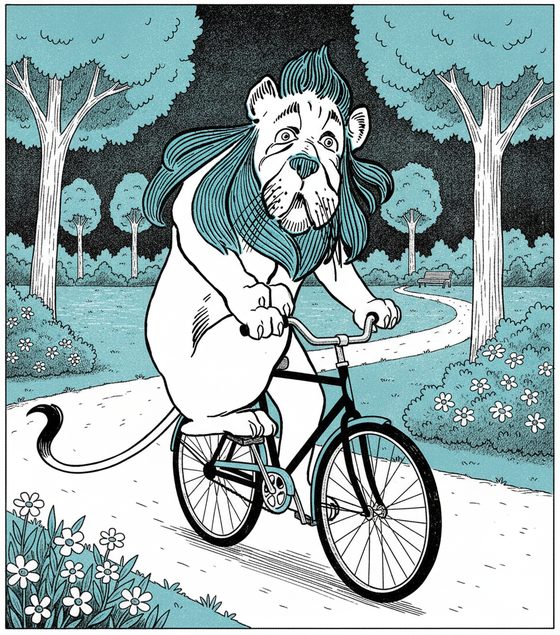
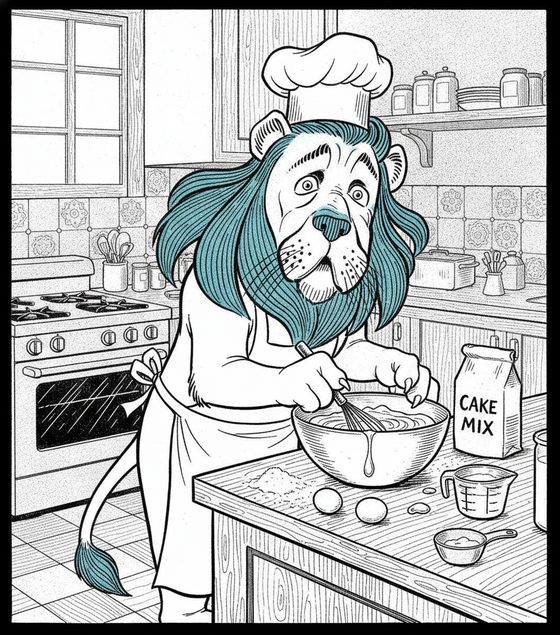
A collectible card set often follows a character through several cards — a starter version, an upgraded form, a full-art chase card. That only works if players read all of them as the same hero. Generative editing lets you fix a character once and place them into card after card, holding the face, gear, and palette so a rare alt-art is clearly the same character as the common.
Fix the character, then vary the card
Lock your hero in one clean reference. Then generate each card's art by describing the difference — a new pose, an evolved outfit, a dramatic full-art background — and naming the anchors that must carry: the face, the signature weapon or armour, the colour scheme. Every card pulls from the master reference, so the set stays coherent whether it's a plain base card or an elaborate chase.
What holds across a set
- Signature gear — a distinctive weapon, coloured armour, a familiar companion — is the strongest anchor. Prominent pieces carry reliably; tiny insignia and fine filigree can soften, so build the character around bold, recognisable elements.
- Dramatic full-art poses may ask for angles the reference never showed, which can drift the likeness. Inspect closely and simplify or re-run ambitious cards that go off-model.
- Card frames, text, and stats are your layout job. The tool gives you consistent character art; the borders, name plates, and rules text go on in your card-design tool afterward — do not expect readable card text from generation.
Build the set from one bible
Keep one reference per recurring character and each hero stays on-model across every card they appear on. Generate the set's art, lay the cards out together to catch any outlier, and you have a coherent visual line before a single frame is laid up. The reference-sheet planner helps you organise a set's cast before you start generating.
Questions, answered plainly
Can I keep the same hero across several cards?
Yes — anchor every card's art to one clear reference and name the identity details in each prompt. Prominent gear and a clear face are what keep a base card and a full-art rare reading as the same character.
Does it add the card frame, name, and stats?
No — it produces the character art only. Card borders, name plates, and rules text go on afterward in your own card-design or layout tool; generative editing won't render clean, readable card text.
Can I base a card character on a real person?
No — keep every character an original, fictional creation you own. Do not base a card on an actor, athlete, celebrity, or anyone who has not consented. An invented character is the correct default.
Is it free to test one card?
The workbench starts with one free watermarked preview, so you can prove a character holds in a new pose before spending. Producing a full set uses one-time 4-, 12-, or 40-scene packs — you pay only for what you generate, no subscription.
Build the set on-model
Bring your hero's reference and generate the first card's art. Keep them consistent across the whole set.
One free watermarked preview here — no signup. Choose a pack only after you inspect the scene.